
Why Does My Chin Itch When I Cough? Causes & Solutions
It’s a common issue: “Why does my chin itch when I cough?” It can range from a mild annoyance to a distracting level of discomfort. While it may feel unusual, this sensation often has understandable causes related to nerves, skin conditions, or respiratory triggers. In this blog, we’ll break down the possible reasons behind this itchy feeling and explore practical ways to manage and prevent it.
What Causes an Itchy Chin When Coughing?
An itchy chin and cough are usually not a serious condition. However, it can be linked to several physical and environmental factors. Knowing these causes can help you identify what’s triggering your symptoms.
Many patients often search for cough variant asthma symptoms when they experience a persistent dry cough without wheezing. One common concern people ask is why is my chin itchy when I cough, especially when irritation happens repeatedly.
Skin Irritation and Friction
One of the most common reasons is skin irritation caused by friction. When you cough, your face and jaw muscles move repeatedly. If your chin is resting on clothing, a hand, or another surface, repeated rubbing can lead to minor irritation. This can trigger a tingling or itchy sensation on the skin.
Nervous System Response
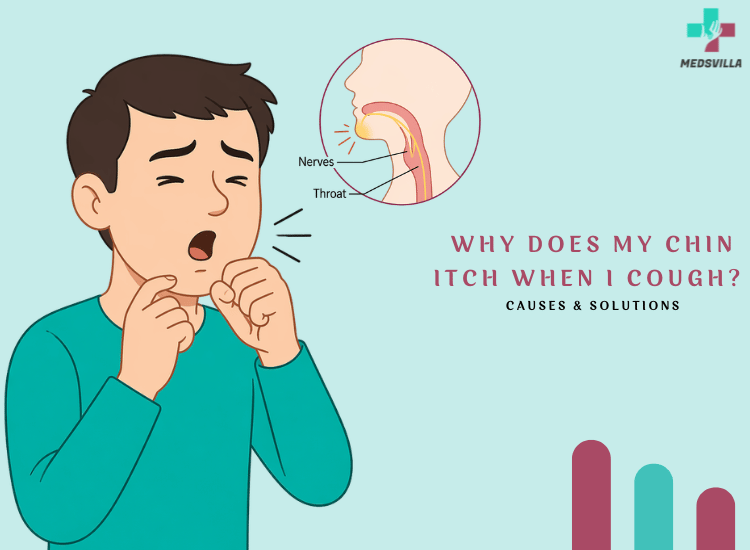
Coughing activates a complex network of nerves in the chest, throat, and respiratory system. Sometimes, this stimulation can “radiate” sensations to nearby areas like the chin or jaw. This is known as a referred nerve response, where the brain misinterprets nerve signals as itching.
Dry Skin
Dry skin is another major contributor. When you have a cold, flu, or respiratory infection, your body often loses moisture. This can leave your skin, especially around the chin, dry and more sensitive, making it prone to itching during coughing episodes.
Allergic Reactions
Allergies can trigger both coughing and skin irritation. Common allergens like dust, pollen, or pet dander may lead to respiratory symptoms and simultaneously cause skin sensitivity or itching around the face and chin area.
Underlying Respiratory Conditions
Conditions such as asthma or chronic bronchitis may also play a role. These conditions involve frequent coughing, which can indirectly lead to skin irritation, dryness, and increased nerve sensitivity.
How to Treat an Itchy Chin When Coughing
When managing an itchy chin when coughing, it’s important to focus on two key areas: treating the underlying cause of the cough and soothing the skin irritation on the chin. A combined approach helps achieve faster and more effective relief. Here’s a simple guide to help reduce the itching sensation:
- First, address the underlying cough by getting adequate rest, staying well hydrated, and using prescribed medications if recommended by a healthcare professional, such as Ribahep 200 mg.
- Keep the skin on your chin well moisturized, especially if it is exposed to friction from clothing or frequent coughing. Always choose a gentle, fragrance-free moisturizer to prevent further irritation.
- Avoid scratching the area, as this can worsen inflammation, increase redness, and potentially lead to skin damage or infection.
- You may use topical treatments such as hydrocortisone cream or calamine lotion to help calm itching and reduce skin inflammation.
- Applying a cold compress or ice pack can provide temporary relief by soothing the skin and reducing the itching sensation.
Keep the area clean and maintain proper hygiene. If the irritation continues or worsens, it is best to consult a doctor for proper evaluation and treatment. Many people wonder why does my chin itch when I cough, as coughing can sometimes trigger nerve sensitivity or skin dryness.
How Is an Itchy Chin Linked to Coughing?
The medical explanation behind a cough and itchy chin can be understood through a combination of physiological responses in the body. When you cough, the muscles of your chest and abdomen contract forcefully to expel air from the lungs and clear mucus or irritants from the airways.
This strong muscular action can stimulate nearby nerve pathways, sometimes leading to “referred sensations” in areas such as the chin. As a result, the brain may interpret these nerve signals as an itching or tingling feeling. If you struggle at night, learning how to stop an asthma cough at night can help improve sleep quality and reduce breathing discomfort.
In addition, physical factors like pressure and friction during coughing movements can also contribute to skin irritation. Repeated motion of the jaw and surrounding facial muscles may further heighten sensitivity in the chin area, making the itching sensation more noticeable.
Possible Side Effects of Repeated Chin Itching
If the condition occurs frequently, it may lead to:
- Persistent skin irritation
- Dry or damaged skin barrier
- Increased risk of infection from scratching
- Minor scarring in severe cases
- Sleep disturbance due to discomfort
Proper skincare and timely treatment can help avoid these complications.
Is an Itchy Chin Related to Asthma or Allergies?
As discussed earlier, respiratory conditions can lead to frequent coughing. While asthma is not directly known to cause itchy skin, its common symptoms—such as persistent coughing and wheezing—can contribute to skin dryness and irritation, which may result in an itchy sensation.
In addition, people with asthma often have related allergic conditions, such as allergic rhinitis. These allergies can affect both the respiratory system and the skin, increasing overall sensitivity and making itching more likely in areas like the face and chin. You may also notice discomfort and ask why does my chin itch when I have a cough, which is often linked to irritation or allergic reactions.
Treatment Options for an Itchy Chin
If symptoms are bothersome, the following treatments may help:
Topical Treatments
- Antihistamine creams
- Mild corticosteroid creams
These help reduce inflammation and control itching. Long-term care focuses on asthma prevention, which includes avoiding triggers and following a proper treatment plan.
Oral Antihistamines
If itching is linked to allergies, oral antihistamines may help reduce both respiratory and skin-related symptoms. Always use under medical guidance.
Home Care Remedies
- Keep skin moisturized
- Drink plenty of fluids
- Avoid known allergens
- Use gentle skincare products
When Should You See a Doctor?
You should consult a healthcare professional if the itching persists for more than a few weeks, if you experience severe coughing or breathing difficulties, or if the skin becomes red, swollen, or painful. It is also important to seek medical advice if over-the-counter treatments do not provide any relief.
Conclusion
An itchy chin when coughing is usually caused by minor skin irritation, nerve responses, dryness, or allergies. While it is generally not serious, it can be uncomfortable if it happens often. Simple steps like moisturizing, avoiding scratching, and treating the underlying cough can significantly reduce symptoms. In some cases, people experience deeper irritation and question why does under my chin itch when I cough, which may be due to friction or skin sensitivity.
FAQs
Q: Why does my chin itch only when I cough?
This is usually due to nerve stimulation or mild skin irritation triggered by coughing movements or airflow changes.
Q: Is an itchy chin during coughing dangerous?
In most cases, it is harmless and temporary. However, persistent symptoms may require medical evaluation.
Q: Can allergies cause an itchy chin and cough together?
Yes, allergies can trigger both respiratory symptoms and skin irritation at the same time.
Q: How can I stop my chin from itching quickly?
Using a cold compress, moisturizing the skin, and avoiding scratching can provide quick relief.
Q: Should I worry if this happens often?
If it happens frequently or is paired with severe coughing, it’s best to consult a doctor to rule out underlying conditions.
References:
- https://medlineplus.gov/ency/article/000812.htm
- https://www.mayoclinic.org/symptoms/cough/basics/causes/sym-20050846

