
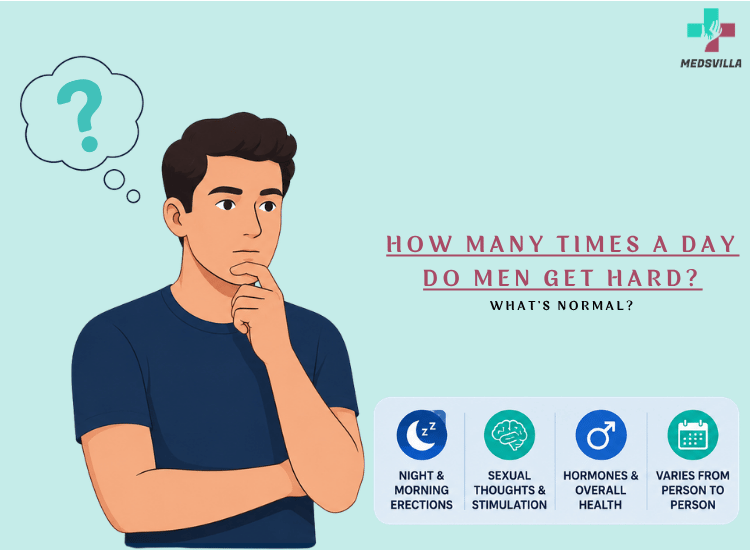
How Many Times a Day Do Men Get Hard? What’s Normal?
Erections are a natural male response. They can happen during sexual activity, after sexual thoughts, during sleep, or even without an obvious reason. Because erections vary from person to person, many men wonder, “How many times a day do men get hard?”
Every man has a different pattern. Some men may have several erections in one day, while others may notice only a few or none that they remember. Age, hormones, sexual activity, sleep, stress, medications, and overall health can all affect erection frequency.
Why Do Men Get Erections Several Times a Day?
There is no medically established number of erections that every man should have each day. Erections can occur several times throughout the day, and many men experience erections during sleep without being aware of them. Some people search for the potential soursop benefits sexually, but there is currently limited evidence that soursop directly increases erections or erection frequency.
For some men, erections may happen frequently. For others, they may be less noticeable. Both can be normal when there are no other concerning symptoms. Instead of focusing on a specific number, it is more useful to consider whether you can get and maintain an erection when you want or need one.
Why Do Men Get Erections During the Day?
An erection occurs when increased blood flow fills the erectile tissues of the penis. The process involves the brain, nerves, blood vessels, hormones, and muscles. An erection does not always mean that a man is sexually aroused. Several everyday situations can trigger one. Common causes include:
- Sexual thoughts or stimulation
- Physical contact
- Hormonal changes
- A full bladder
- Random or spontaneous erections
- Certain medications
- Changes in blood flow
- Erections associated with sleep
Sometimes an erection can appear without any clear trigger. This is generally not a concern.
What About Erections During Sleep?
Many men experience erections while sleeping. These are often called nocturnal erections. They commonly occur during periods of rapid eye movement (REM) sleep. A man may have several erections during the night, but he may not remember them when he wakes up.
Morning erections are also common. Waking up with an erection does not necessarily mean that you had a sexual dream. It can simply be part of normal sleep-related erectile activity.
Normal Erections by Age
Erection frequency can change throughout life. Younger men often experience spontaneous erections more frequently because of hormone levels and greater erectile responsiveness. As men get older, erections may become less frequent or may require more direct stimulation. This isn’t necessarily a health concern. The following table provides a general overview rather than a strict medical standard:
| Age Group | Common Erection Pattern | What Can Affect It |
|---|---|---|
| Teens | Frequent spontaneous erections are common | Puberty, hormones, stimulation |
| 20s | Erections may occur several times a day | Hormones, sexual activity, sleep |
| 30s | Frequency can vary widely | Stress, lifestyle, hormones |
| 40s | Spontaneous erections may become less frequent | Health, stress, medications |
| 50s+ | Erections may require more stimulation | Aging, medications, circulation, health |
These are general patterns, not required numbers. Every man is different.
Is It Normal to Get Hard Several Times a Day?
Yes. Getting hard several times a day can be completely normal. A man may experience multiple erections because of sexual stimulation, spontaneous changes in blood flow, hormonal activity, or sleep-related processes.
There is generally no reason to worry simply because erections happen frequently, provided they are not painful and do not last unusually long. Likewise, having fewer noticeable erections does not automatically mean something is wrong.
Is It Normal Not to Get Hard Every Day?
Yes. Men do not necessarily need to have a noticeable erection every day. Erection frequency can change from one day to another. Stress, tiredness, anxiety, alcohol, poor sleep, illness, medications, and relationship factors may temporarily affect erections.
A temporary change is usually less concerning than a persistent change in erectile function. If you regularly struggle to get or maintain an erection during sexual activity, however, it may be worth discussing the issue with a healthcare professional.
What Factors Affect Erection Frequency?
Several factors can influence how often a man gets an erection.
- Age
Hormonal and vascular changes associated with aging can affect erectile function. Erections may become less spontaneous over time.
- Testosterone and Other Hormones
Hormones play an important role in sexual desire and erectile function. Changes in hormone levels can influence libido and erections.
- Sleep
Good-quality sleep supports normal hormonal and nervous-system function. Poor sleep may affect sexual desire and erectile performance.
- Stress and Anxiety
Mental health and emotional well-being can strongly influence erections. Stress can reduce sexual desire or make it harder to maintain an erection.
- Physical Health
Conditions that affect blood vessels, nerves, or hormones can contribute to erectile difficulties.
- Medications
Some prescription medicines can affect sexual desire or erectile function. If you notice a change after starting a medication, speak with your healthcare provider rather than stopping it on your own.
- Lifestyle
Smoking, excessive alcohol use, inactivity, poor nutrition, and being higher weight can affect cardiovascular and sexual health.
Does Getting Hard Often Mean High Testosterone?
Not necessarily. Frequent erections can be influenced by many factors, including age, sexual stimulation, sleep, hormones, and individual differences. Erections alone cannot tell you whether your testosterone level is normal or high.
If you are concerned about testosterone, a healthcare professional can evaluate your symptoms and determine whether testing is appropriate.
When Should You Be Concerned?
The number of erections you experience is usually less important than how they feel and how long they last. You should seek urgent medical attention if you have an erection that lasts four hours or longer, particularly if it is painful. This can be a condition called priapism and can cause permanent damage if not treated promptly.
Consult a doctor for ongoing symptoms.
- Difficulty getting an erection
- Difficulty maintaining an erection
- Pain during erections
- Major changes in erectile function
- Reduced sexual desire
- Other unusual genital symptoms
A persistent change in erections can sometimes be associated with medications or underlying health conditions.
How Can Men Support Healthy Erections?
Healthy blood vessels and overall health are important for normal erectile function. Helpful habits include:
- Exercise regularly.
- Get enough quality sleep.
- Eat a balanced diet.
- Avoid smoking.
- Limit excessive alcohol consumption.
- Manage stress.
- Maintain a healthy weight.
- Control conditions such as high blood pressure and diabetes with professional guidance.
- Discuss persistent erection problems with a healthcare professional.
These habits support cardiovascular health, which is closely connected to erectile function.
Final Thoughts
So, how many times do men get hard a day? No fixed number is considered normal for everyone. Some men may experience several erections throughout the day, while others may notice fewer. If you are wondering about Viagra with coffee, caffeine does not appear to directly increase the effectiveness of sildenafil, so it is important to follow your prescribed dosage and medical advice.
Spontaneous erections and nighttime erections are normal parts of male physiology. Frequency can change with age, sleep, hormones, stress, medications, sexual activity, and general health. Rather than counting erections, pay attention to your overall erectile function. If you can normally get and maintain erections when you want them and do not have pain or prolonged erections, occasional differences in frequency are usually not a reason for concern.
References:
- https://www.ncbi.nlm.nih.gov/books/NBK562253/
- https://my.clevelandclinic.org/health/diseases/10042-priapism

