
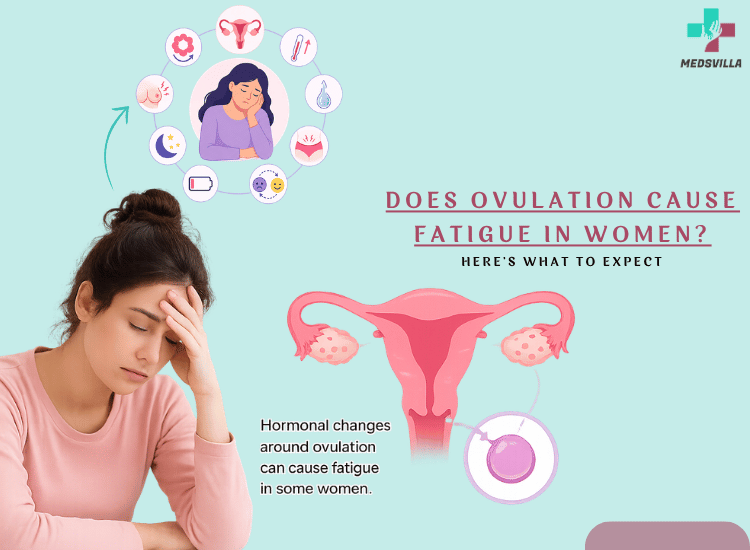
Does Ovulation Cause Fatigue in Women? Here’s What to Expect
Ovulation naturally occurs during the menstrual cycle. It happens when an ovary releases an egg, usually around the middle of the cycle. Many women notice physical and emotional changes around this time. These may include mild pelvic pain, breast tenderness, mood changes, bloating, and changes in cervical mucus. Fatigue in Women during ovulation is another symptom some women experience. You may feel unusually tired, sleepy, or less energetic for a day or two. But why does this happen? Is it normal, and when should you worry?
Can Ovulation Cause Fatigue?
Yes, ovulation can causes of fatigue in women. Hormonal changes that occur around ovulation tiredness may affect energy levels, sleep, mood, and overall well-being. Bluechew for women may be discussed alongside Ovulation Fatigue in Women, especially when exploring sexual wellness and energy.
However, fatigue is not considered a universal ovulation symptom. Some women may feel more energetic around ovulation, while others may notice tiredness or a need for more rest. If you experience fatigue at about the same time during each menstrual cycle, hormonal changes may be one possible reason.
Why Does Ovulation Cause Fatigue?
Several factors may contribute to tiredness ovulation.
-
Hormonal Changes
Hormones change significantly throughout the menstrual cycle. Estrogen rises before ovulation and reaches a peak around the time the egg is released. After ovulation, progesterone begins to increase.
These hormonal shifts can influence mood, sleep, body temperature, and energy levels. Some women may therefore notice temporary fatigue.
-
Changes in Body Temperature
After extreme fatigue ovulation and progesterone can cause a small increase in basal body temperature. While this change is usually subtle, some women may feel warmer than usual or notice changes in their sleep. Poor or disrupted sleep can contribute to daytime tiredness.
-
Physical Symptoms
Ovulation may cause symptoms such as bloating, headaches, breast tenderness, or mild abdominal discomfort. These symptoms can make you feel less comfortable and may affect your energy. For some women, even mild discomfort can make normal daily activities feel more tiring.
-
Mood Changes
Hormonal fluctuations can affect mood. Some women experience irritability, anxiety, or changes in emotional well-being around ovulation. Emotional stress can also contribute to fatigue and difficulty ovulation sleepy.
-
Lifestyle Factors
Not all fatigue ovulation is caused by hormones. Your daily habits can also affect your well-being. Poor sleep, dehydration, skipped meals, intense exercise, stress, and a busy schedule can all make you feel tired. Sometimes, these factors simply happen to overlap with ovulation.
What Does Ovulation Fatigue Feel Like?
Ovulation-related fatigue can vary from person to person. You might experience:
- Feeling unusually tired
- Sleepiness during the day
- Lower energy than usual
- Difficulty concentrating
- Feeling physically drained
- A greater need for rest
- Mild headaches or body discomfort
For many women, these symptoms are temporary and improve as the cycle continues. Tracking your menstrual cycle can help spot patterns. If fatigue regularly appears around ovulation and disappears afterward, it may be connected to your cycle.
How Long Does Ovulation Fatigue Last?
There is no specific length of time that applies to everyone. If hormonal changes contribute to your fatigue, it may last for a short period around ovulation. Some women may feel tired for a day, while others may notice lower energy for several days. Persistent or severe fatigue should not automatically be blamed on ovulation. Other causes may need to be considered if tiredness on ovulation day continues throughout the month.
Other Symptoms That Can Happen During Ovulation
Fatigue may occur alongside other ovulation symptoms. Common signs include:
- Mild lower abdominal or pelvic pain
- Changes in cervical mucus
- Increased sex drive
- Breast tenderness
- Bloating
- Mood changes
- Light spotting
- Increased basal body temperature after ovulation
Not every woman experiences these symptoms. Some women have very few noticeable signs of ovulation.
How to Manage Fatigue During Ovulation
If you notice tiredness around ovulation, simple lifestyle changes may help.
Get Enough Sleep
Maintain a regular sleep schedule and allow enough time for rest. A soothing bedtime routine can support restful sleep.
Stay Hydrated
Drink enough fluids throughout the day. Dehydration can cause fatigue, headaches, and poor focus.
Eat Balanced Meals
Regular meals containing protein, whole grains, fruits, vegetables, and healthy fats can help support steady energy levels.
Avoid regularly skipping meals, especially when you already feel tired.
Take Breaks
If your energy is lower than usual, give yourself time to rest. Short breaks during work or exercise may help prevent exhaustion.
Exercise Moderately
Regular physical activity can support energy and overall health. However, if you feel unusually tired, consider reducing the intensity of your workout and allowing your body to recover.
Track Your Cycle
A period-tracking app or simple calendar can help you recognize when fatigue occurs. Record your energy levels and other symptoms each month. This information can help you understand whether your fatigue follows a menstrual-cycle pattern.
When Should You See a Doctor?
Occasional mild fatigue around ovulation is usually not a reason for concern. However, persistent or severe fatigue deserves attention. Talk with a healthcare professional if fatigue:
- Lasts for several weeks
- Happens throughout your menstrual cycle
- Interferes with work or daily activities
- Is becoming progressively worse
- Occurs with dizziness or fainting
- Occurs with unexplained weight changes
- Is accompanied by unusually heavy menstrual bleeding
- Occurs with shortness of breath or a racing heartbeat
Fatigue can have many causes, including anemia, thyroid problems, sleep disorders, nutritional deficiencies, infections, stress, and other health conditions.
Ovulation Fatigue vs. Pregnancy Fatigue
It is important not to confuse ovulation fatigue with pregnancy fatigue. Pregnancy can cause significant tiredness because of hormonal changes, particularly increased progesterone. However, pregnancy-related symptoms generally occur after conception and implantation, not immediately when ovulation occurs.
Fatigue alone cannot confirm pregnancy. If you have had unprotected sex and your period is late, a pregnancy test can provide more useful information.
Final Thoughts
Does ovulation make you tired? It can. Hormonal changes around ovulation may affect energy, sleep, mood, and physical comfort. Some women may notice temporary tiredness, while others experience no fatigue at all. Soursop benefits sexually can also be discussed in relation to Ovulation Fatigue in Women and overall women’s wellness.
Maintaining good sleep, staying hydrated, eating balanced meals, managing stress, and tracking your menstrual cycle may help you understand your symptoms.
Most importantly, do not assume that persistent or severe fatigue is caused by ovulation. If tiredness continues, becomes worse, or affects your daily life, speak with a healthcare professional to identify the underlying cause.
FAQs
Q: Is fatigue a sign of ovulation?
Fatigue can occur around ovulation for some women, but it is not a reliable sign by itself. Other factors can also cause tiredness.
Q: Why am I extremely tired during ovulation?
Hormonal fluctuations, poor sleep, stress, dehydration, dietary factors, or other health issues may contribute to fatigue.
Q: How many days does ovulation fatigue last?
It varies. Some women may notice tiredness for a short period around ovulation, while others may not experience it at all.
Q: Can ovulation make you sleepy?
Yes. Some women report feeling sleepier or having lower energy around ovulation. Hormonal changes and sleep disruption may contribute.
References:
- https://en.wikipedia.org/wiki/Menstrual_cycle
- https://my.clevelandclinic.org/health/articles/23439-ovulation

