
What Is ED In Psychology And How Can It Be Treated?
Erectile dysfunction (ED) is often discussed as a physical health condition, but psychological factors can also affect a person’s ability to get or maintain an erection. Learn What is ED in Psychology and how stress may contribute to it. When emotional, mental, or relationship-related factors contribute to erection problems, it may be described as psychological ED or psychogenic erectile dysfunction.
Psychological ED can affect confidence, relationships, and overall well-being. Treatment can often improve psychological ED. Treatment may involve counseling, lifestyle changes, medical evaluation, or a combination of approaches.
What Is ED in Psychology?
Understanding what is ED in psychology can help identify emotional triggers. In psychology, ED refers to erectile difficulties that are influenced by emotional or mental factors rather than being caused mainly by a physical condition. Male viagra before and after size can be different in appearance because of erection firmness.
An erection involves the brain, nerves, blood vessels, hormones, and sexual stimulation. Because the brain plays an important role in sexual arousal, stress or emotional distress can interfere with the normal erection process.
Psychological ED can happen without a physical cause. However, psychological and physical causes can also occur together. For this reason, persistent erectile problems should be discussed with a healthcare professional.
Common Psychological Causes of ED
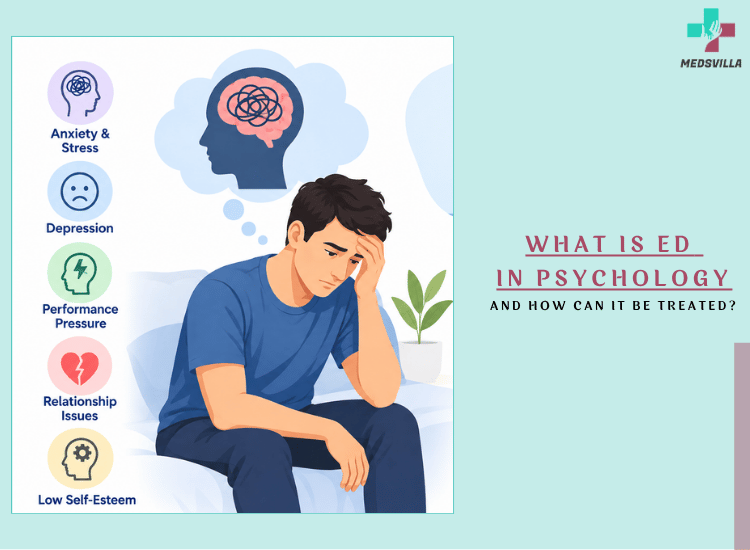
Several emotional factors can contribute to ED.
-
Performance Anxiety
Performance anxiety can trigger erection problems. A person may worry about satisfying their partner, maintaining an erection, or having a successful sexual experience.
These thoughts can increase stress and make it harder to become or remain aroused. This can create a cycle in which worrying about ED contributes to further erection problems.
-
Stress
Work pressure, financial concerns, family responsibilities, or other ongoing stress can affect sexual function. When the mind is focused on stressful situations, sexual arousal may become more difficult.
Short-term stress may cause temporary problems, while prolonged stress can have a more lasting effect on sexual health.
-
Depression
Depression can lower sexual interest and arousal. Certain antidepressant medicines can also cause sexual side effects. If you notice changes after starting a medication, speak with your healthcare professional rather than stopping it on your own.
-
Relationship Problems
Conflict, poor communication, loss of emotional connection, or relationship stress can affect sexual intimacy. Relationship stress may affect sexual confidence. Addressing relationship concerns through open communication or couples counseling may help in some cases.
-
Low Self-Esteem
Negative feelings about appearance, sexual ability, or personal worth can affect confidence during intimacy. Repeated worries about sexual performance may increase anxiety and make erections more difficult.
What Are the Signs of Psychological ED?
Psychological ED can look different from person to person. Some possible signs include:
- Erectile problems that occur mainly in certain situations
- Difficulty maintaining an erection during sexual activity
- Normal erections during sleep or upon waking
- Erections during masturbation but difficulty with a partner
- Sudden onset after a stressful or emotionally difficult event
- Increased anxiety before or during sexual activity
- Worry about sexual performance
Having one of these signs does not automatically mean that ED is psychological. ED may result from physical, psychological, or combined factors.
How Is Psychological ED Diagnosed?
A healthcare professional may ask about your sexual history, general health, medications, lifestyle, stress levels, and relationships. They may also ask when the erection problems occur and whether you experience erections during sleep or upon waking.
Depending on your symptoms and health history, your healthcare professional may recommend a physical examination or other tests to look for medical causes. This evaluation is important because conditions such as diabetes, cardiovascular disease, hormonal problems, nerve disorders, and medication side effects can also contribute to ED.
How Can Psychological ED Be Treated?
Treatment depends on the underlying cause.
Counseling or Sex Therapy
Talking with a qualified mental health professional can help identify anxiety, stress, negative thoughts, or relationship concerns that may contribute to ED.
Cognitive behavioral therapy (CBT) is one approach that can help people recognize unhelpful thought patterns and develop healthier ways to manage anxiety.
Sex therapy can also focus specifically on sexual concerns, communication, intimacy, and performance-related worries.
Managing Stress and Anxiety
Learning ways to manage stress may support better sexual function. Helpful strategies can include regular physical activity, relaxation exercises, mindfulness, adequate sleep, and maintaining a balanced daily routine.
Reducing pressure around sexual performance can also help. Sexual intimacy does not need to be treated as a test that must be passed.
Improving Communication
Talking openly with a partner can reduce misunderstandings and performance pressure. Partners may also work together to focus on intimacy and enjoyment rather than concentrating only on erection firmness or duration. Couples counseling may help with relationship-related ED.
Medication
Some people with ED may benefit from prescription medicines known as phosphodiesterase type 5 (PDE5) inhibitors. These medicines can include sildenafil and tadalafil.
They help improve blood flow to the penis when sexual stimulation occurs. They do not directly treat the psychological cause of ED, but they may help some people achieve erections while they address anxiety or other underlying concerns.
These medicines are not suitable for everyone. PDE5 inhibitors can cause dangerous interactions with nitrates. Talk with a healthcare professional before using ED medication.
Lifestyle Changes
Healthy habits can support both physical and sexual health. Regular exercise, adequate sleep, a balanced diet, limiting excessive alcohol, avoiding smoking, and maintaining a healthy weight may be beneficial.
Even when ED appears to have a psychological cause, healthy lifestyle habits can support overall sexual function.
Can Psychological ED Go Away?
Psychological ED can improve when the contributing factors are addressed. Knowing what Is ED in psychology can help you explore treatment options. Some people notice improvement after reducing stress or resolving a specific source of anxiety. Others may benefit from counseling, medication, relationship support, or a combination of treatments. Tamarind benefits sexually should not be confused with proven treatments for sexual problems.
Recovery is not always immediate. Trying to monitor or test your erection during every sexual experience can increase anxiety. Instead, focusing on relaxation, communication, and intimacy may help reduce pressure.
Final Thoughts
Psychological ED is a real form of erectile dysfunction that can be associated with anxiety, stress, depression, relationship difficulties, or low self-confidence. Because erections involve both the mind and body, emotional factors can have a significant effect on sexual function.
Treatment focuses on the underlying cause. Counseling, stress management, improved communication, lifestyle changes, and appropriate medical treatment may all have a role. If you experience ongoing ED, speaking with a healthcare professional is the best way to identify the cause and choose an appropriate treatment plan.
References:

