
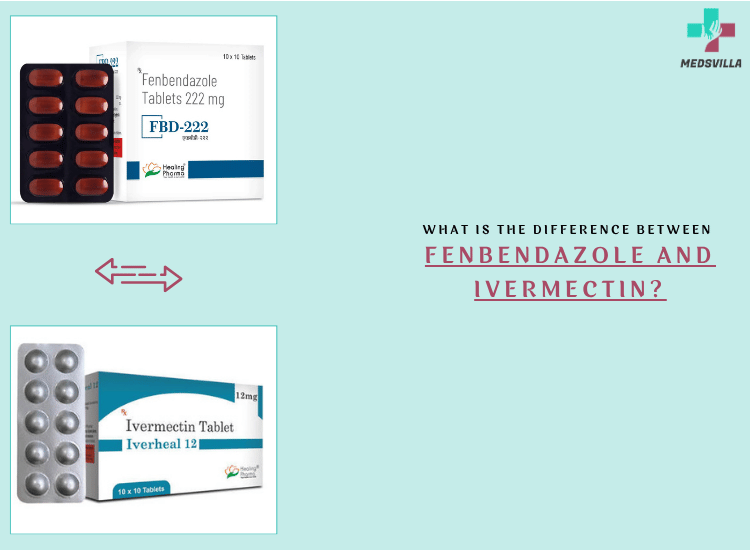
What Is The Difference Between Fenbendazole And Ivermectin?
Parasitic infections affect both humans and animals, making antiparasitic medications an essential part of treatment. Two of the most well-known antiparasitic drugs are Fenbendazole and Ivermectin. Although both help eliminate parasites, they differ in their approved uses, mechanism of action, dosage, and safety profile.
Many people search for the difference between Fenbendazole and Ivermectin before choosing a treatment option. Understanding how these medications work can help you make informed decisions with the guidance of a healthcare provider or veterinarian.
In this guide, we’ll compare Fenbendazole vs Ivermectin, explain their uses, benefits, side effects, and when each medication may be appropriate.
What Is Fenbendazole?
Fenbendazole is a broad-spectrum antiparasitic medication from the benzimidazole drug class. Veterinarians commonly prescribe it to treat intestinal worms in dogs, cats, horses, cattle, sheep, goats, and other animals. Learn how to get ivermectin and fenbendazole safely from trusted sources while following local regulations and medical advice.
Fenbendazole works by blocking the parasite’s ability to absorb glucose. Without energy, the parasite dies and leaves the body naturally.
Common parasites treated with Fenbendazole include:
- Roundworms
- Hookworms
- Whipworms
- Certain tapeworms
- Some lungworms
- Giardia (in certain veterinary treatment plans)
Although people often search for Fenbendazole for humans, it is primarily approved for veterinary use in many countries. Human use should only occur under qualified medical guidance where legally appropriate.
What Is Ivermectin?
Ivermectin is another widely used antiparasitic medication. Unlike Fenbendazole, it has approved medical uses in humans as well as veterinary medicine. Ivermectin attacks the parasite’s nervous system, causing paralysis and death. This mechanism makes it effective against several internal and external parasites.
Doctors prescribe Ivermectin for various parasitic infections depending on local medical guidelines.
Common human uses include:
- Strongyloidiasis
- Onchocerciasis (River Blindness)
- Scabies
- Head lice
Veterinarians also use Ivermectin for several animal parasites, although dosage varies significantly by species.
Fenbendazole vs Ivermectin: Key Differences
| Feature | Fenbendazole | Ivermectin |
|---|---|---|
| Drug Class | Benzimidazole | Macrocyclic lactone |
| Primary Use | Veterinary dewormer | Human and veterinary antiparasitic |
| Mechanism | Blocks parasite glucose uptake | Paralyzes the parasite’s nervous system |
| Common Targets | Intestinal worms | Roundworms, mites, lice, and Strongyloides |
| Human Approval | Limited or unavailable in many countries | Approved for several human parasitic infections |
How Do They Work?
Although both medications eliminate parasites, they attack them differently.
Fenbendazole
Fenbendazole disrupts the parasite’s microtubules. These structures help transport nutrients inside parasite cells. Once damaged, the parasite cannot absorb glucose and eventually dies from energy depletion. This method works especially well against gastrointestinal worms.
Ivermectin
Ivermectin binds to specific nerve and muscle cells found in parasites. This causes paralysis, preventing the parasite from feeding or surviving. The body’s immune system then clears the dead parasites naturally.
Which Parasites Do They Treat?
The biggest difference between Fenbendazole and Ivermectin lies in the types of parasites they target.
Fenbendazole is commonly used for:
- Roundworms
- Hookworms
- Whipworms
- Certain tapeworms
- Lungworms
- Giardia (selected veterinary cases)
Ivermectin is commonly used for:
- Strongyloides
- Onchocerca volvulus
- Scabies mites
- Head lice
- Some animal heartworm prevention programs
- Various livestock parasites
Because their parasite coverage differs, healthcare providers choose the medication based on the confirmed infection.
Human Use vs Veterinary Use
One major difference is regulatory approval.
Fenbendazole
Fenbendazole is mainly approved for veterinary medicine. Although interest in human use has increased online, scientific evidence remains limited for many non-approved uses.
People should avoid self-medicating with veterinary products.
Ivermectin
Ivermectin has established approvals for treating several human parasitic diseases. Doctors prescribe the correct dosage based on body weight, infection type, and medical history.
Using prescription medications only under medical supervision helps reduce unnecessary risks.
Side Effects Comparison
Both medications generally have favorable safety profiles when used correctly. However, side effects can occur.
Fenbendazole side effects
Some users may experience:
- Mild nausea
- Vomiting
- Diarrhea
- Temporary stomach discomfort
- Headache (rare)
Ivermectin side effects
Possible side effects include:
- Dizziness
- Nausea
- Diarrhea
- Fatigue
- Skin itching
- Mild rash
Certain parasitic infections may trigger inflammatory reactions after treatment because the body responds to dying parasites.
Seek medical advice immediately if severe allergic reactions, breathing difficulty, or neurological symptoms develop.
Which Medication Is More Effective?
There is no universal winner. The better medication depends entirely on the parasite causing the infection. Fenbendazole works extremely well against many intestinal worms commonly found in animals.
Ivermectin performs better against parasites such as Strongyloides, Onchocerca, scabies mites, and lice. Doctors and veterinarians usually diagnose the infection first before selecting the most appropriate treatment.
Can Fenbendazole and Ivermectin Be Used Together?
In veterinary medicine, some parasite control programs may include both medications under veterinary supervision because they target different parasites. For humans, combination therapy should never begin without medical advice.
Taking multiple antiparasitic medications unnecessarily may increase the risk of side effects without improving treatment outcomes.
Safety Considerations
Before taking either medication, consider these precautions:
- Follow the prescribed dosage exactly.
- Never exceed the recommended treatment duration.
- Avoid using veterinary formulations unless specifically instructed by a qualified healthcare professional.
- Tell your doctor if you have liver disease, kidney disease, or neurological disorders.
- Complete the full treatment course if prescribed.
Proper diagnosis remains the most important step before starting any antiparasitic medication.
Where Can You Buy Fenbendazole and Ivermectin?
Availability depends on local regulations. Human Ivermectin generally requires a prescription in many countries. Fenbendazole products are widely available through veterinary suppliers because they are intended for animals. Understand the potential interaction between fenbendazole and alcohol before using the medication, and consult a healthcare professional if you have concerns. When purchasing antiparasitic medications:
- Buy only from licensed pharmacies or reputable suppliers.
- Avoid counterfeit products from unknown websites.
- Verify product packaging and expiration dates.
- Consult a healthcare professional before use.
Conclusion
Understanding the difference between Fenbendazole and Ivermectin helps you choose the right treatment based on the type of parasite involved. Fenbendazole primarily targets intestinal worms and is widely used in veterinary medicine, while Ivermectin has approved uses in both human and veterinary healthcare for a broader range of parasitic infections.
FAQ
Q: Is Fenbendazole stronger than Ivermectin?
Neither medication is stronger overall. Each treats different parasites and works through a different mechanism.
Q: Can humans take Fenbendazole?
Fenbendazole is approved mainly for veterinary use in many regions. People should only use medications under appropriate medical supervision and according to local regulations.
Q: Which drug treats scabies?
Ivermectin is an approved treatment option for certain cases of scabies and is often used alongside topical therapies when recommended by a healthcare provider.
Q: Does Fenbendazole kill all worms?
No. Fenbendazole is effective against several intestinal worms, but it does not treat all types of parasites.
Q: Can I take Ivermectin without testing?
A proper medical evaluation is recommended before taking Ivermectin because different infections require different treatments and dosages.
References:
- https://pubmed.ncbi.nlm.nih.gov/39197912/
- https://www.mayoclinic.org/drugs-supplements/ivermectin-oral-route/description/drg-20064397

